
How to increase property value in Dubai
Published 10 June 2026 · By Subhra
In short
In Dubai in 2026, strategic interior upgrades typically lift property value by 10 to 25 percent on resale and rental income by 10 to 20 percent, with the strongest returns from kitchens, bathrooms, lighting, storage and a coherent design theme rather than scattered cosmetic fixes. A well-designed, fully finished home also sells and leases faster, which matters as much as the headline price. The highest ROI usually comes from spending 5 to 10 percent of the property's current value on a focused upgrade led by an interior designer, who locks the direction, specifies the right materials for the budget, and oversees the build through trusted contractors so you do not over-spend or under-deliver.
Why Dubai is different
Dubai is a market of comparison. A buyer or tenant walking into three similar apartments in Dubai Marina, Downtown or Business Bay will choose the one that feels finished, photographed well and ready to move into. In 2026, with yields tighter than the peak years and more stock on the market, the unit that looks considered commands the premium, not just the one with the lowest asking price. Value in Dubai is increasingly about perception, function and speed: how the home feels, how it works day to day, and how quickly it leases or sells. Interior design sits at the centre of all three.
What the numbers actually look like
No upgrade comes with a guaranteed percentage, but market patterns in Dubai are consistent enough to plan around. Well-designed homes in prime communities commonly achieve 10 to 25 percent higher resale or rental value than similar units with basic developer finishes. A strategic kitchen and bathroom upgrade is often quoted in the 15 to 25 percent range for overall property value impact. Rental-only plays see monthly income rise by 10 to 20 percent after a focused modernisation. Fully furnished apartments in high-demand zones can command a 15 to 25 percent rental premium over unfurnished stock. Custom joinery and built-in storage typically add another 8 to 12 percent in perceived value. Even lighting and flooring alone, done properly, can shift how a unit is priced because they change how large, warm and expensive the space feels in the first thirty seconds.
Resale vs rental: two different games
If you are selling, buyers pay for first impressions and for rooms that photograph well online, where almost every Dubai search begins. Kitchens, master bathrooms, living flow and natural light matter most. If you are renting, tenants pay for move-in readiness, storage, a workable kitchen and finishes that feel clean and current. Furnishing pushes the monthly number up, but only if the furniture matches the space rather than filling it. The mistake is treating both goals the same. A resale upgrade can be slightly more aspirational; a rental upgrade should be durable, neutral enough to appeal widely, and fast to maintain. A designer helps you choose which game you are playing before a dirham is spent.
Where to spend first (and what to ignore)
Across the market, the same priorities keep surfacing. Kitchen and bathroom first: allocate roughly 60 to 70 percent of an upgrade budget here if you want maximum impact. These are the rooms buyers and tenants decide on fastest. Layout and flow second: open, logical circulation and good storage make an apartment feel larger without adding square footage. Lighting third: warm, layered, dimmable light changes how every material reads and is one of the cheapest ways to make a space feel luxury. Flooring fourth: large-format porcelain, engineered timber or natural stone instantly lifts a tired shell. Joinery and wardrobes fifth: built-ins signal quality and remove the 'empty box' feeling of many handover units. What to skip for ROI: heavy gold-on-marble clichés, over-custom features that only suit one taste, and structural changes that cost more to undo than they add in value unless the layout is genuinely broken.
The 5 to 10 percent rule
A useful planning frame in Dubai is to keep a focused upgrade budget within 5 to 10 percent of the property's current value. Below that, the uplift can be real but modest. Above it, returns often flatten because you are over-capitalising for the building or community's ceiling price. Every tower and villa community has a top price for renovated units; spend past it and you are designing for yourself, not for the market. An interior designer's first job on a value-add project is to find that ceiling, then design to sit just under it, premium enough to stand out, disciplined enough to profit.
Why interior design beats random renovation
Renovation without design is how good money disappears. Two apartments can spend the same amount and one feels bespoke while the other feels like a contractor's catalogue. The difference is not the budget; it is the sequence. A designer locks a single theme, plans the layout, specifies materials that hit the look at the right price point, produces drawings contractors can quote accurately against, and then oversees the work so what gets built matches what was sold in the listing photos. Industry comparisons often put interior-led upgrades at 70 to 80 percent of the value impact of heavier structural work, for roughly 40 to 50 percent of the cost. That is the lever investors miss when they jump straight to demolition.
The upgrades that pay back fastest
Kitchen modernisation in a one or two bedroom apartment commonly runs from AED 25,000 to 50,000 for a focused upgrade and can lift rental value by roughly 8 to 15 percent, with payback often inside two to three years on a well-located unit. Bathroom refreshes sit lower in cost and can add 5 to 10 percent to rental appeal. Open-plan adjustments in villas, where structure allows, are among the highest-impact moves because they change perceived size. Smart lighting, good AC zoning and clean, warm paint palettes are smaller line items that punch above their weight in photos. Full furnishing, when designed as one scheme rather than a furniture dump, is what unlocks the furnished premium in Marina, Business Bay and Downtown.
Speed is money in Dubai
Value is not only the final price; it is also days on market. A home that looks finished leases faster and sells with fewer reductions. In a city where many owners carry mortgage or service-charge pressure, shaving even a few weeks off vacancy is a real financial win. Professional design accelerates that timeline because the home is coherent on day one: no awkward gaps, no half-chosen rooms, no waiting for the owner to 'figure out the guest bedroom later'. Coherence reads as confidence, and confidence is what buyers and tenants pay for.
What a value-add project looks like with a designer
The smartest sequence looks like this. First, a quick market read: what do renovated units in your building or community actually sell and rent for? Second, a focused concept that targets that ceiling without overshooting it. Third, documented drawings and material specs so contractors quote the same scope. Fourth, the build overseen on site so finishes match the plan. Fifth, styling and photography that match the level of the finish. Skip any step and the value leaks out, usually in change orders, wrong materials or a home that looks better in person than it does online, which is the wrong way around in Dubai.
Where ZuriSpace fits
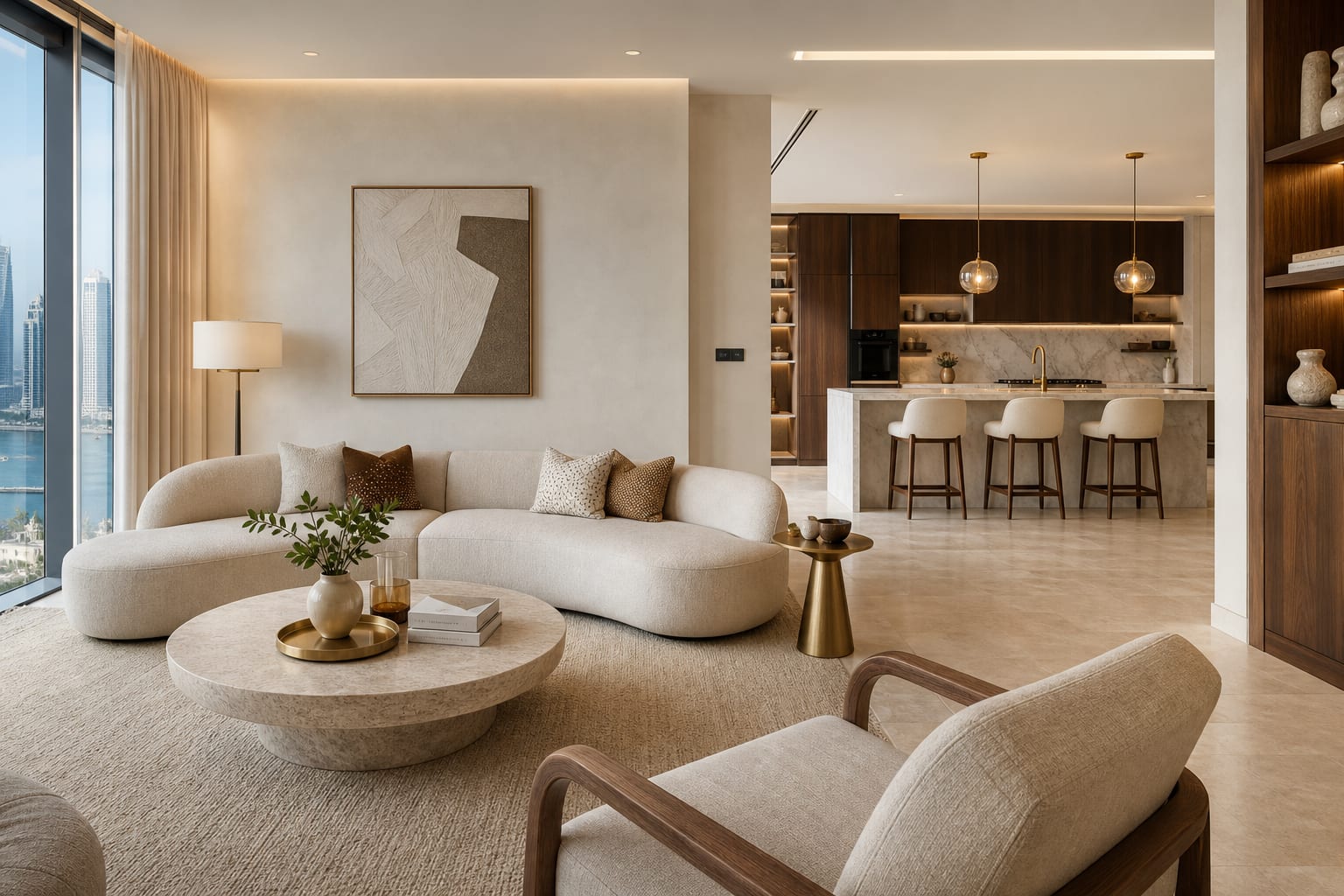
ZuriSpace works with owners and investors who want a home to feel better and perform better in the market. Subhra leads personally: the direction is locked early, the spend is allocated where it actually moves the number, and the build is overseen through trusted contractors or alongside one you appoint. The studio's signature, calm contemporary luxury in bone, sand and walnut, is deliberately market-friendly: premium without being polarising, material-led without the dated Dubai clichés that date a listing in three years. Whether you are preparing to sell, lease or simply living in the home while it appreciates, the aim is the same: a space that earns its keep.
Quick answers.
Well-designed upgrades in Dubai commonly lift resale or rental value by 10 to 25 percent compared with similar units in basic condition, depending on location, starting condition and scope. Kitchen and bathroom focused projects often sit at the top of that range.
Kitchens, bathrooms, lighting, flooring, built-in storage and a coherent overall theme usually deliver the strongest returns. Layout improvements that improve flow and perceived size also rank highly, especially in villas.
A common planning frame is 5 to 10 percent of the property's current value for a focused upgrade. Spending beyond the community's price ceiling often yields diminishing returns, so the budget should be tied to what renovated units in your building or area actually achieve.
Yes, in high-demand rental zones a fully furnished apartment can command roughly 15 to 25 percent more than an unfurnished equivalent, provided the furniture is designed as one coherent scheme rather than a random collection of pieces.
The priorities differ. Sale-focused upgrades should photograph well and feel aspirational in kitchens, bathrooms and living spaces. Rental-focused upgrades should emphasise durability, storage, move-in readiness and finishes that appeal to a wide tenant pool.
Not legally, but financially it usually helps. A designer identifies the market ceiling, allocates budget to the highest-impact rooms, prevents over-spending on low-return finishes, and oversees the build so the finished home matches the listing. That is how you avoid spending twice.
- Interior design cost in Dubai (2026)Budget ranges for apartment and villa upgrades.
- Apartment interior design in Dubai MarinaRental-ready and resale-focused Marina fit-outs.
- Kitchen renovation in Dubai: full guideCosts, timelines and what to renovate first.
- Bathroom renovation in Dubai: full guideWaterproofing, materials and master ensuite scope.
- Apartment interior design in JVCInvestor and rental-ready apartment upgrades.
- When to hire an interior designer in DubaiWhy the designer should lead a value-add project.
Written by
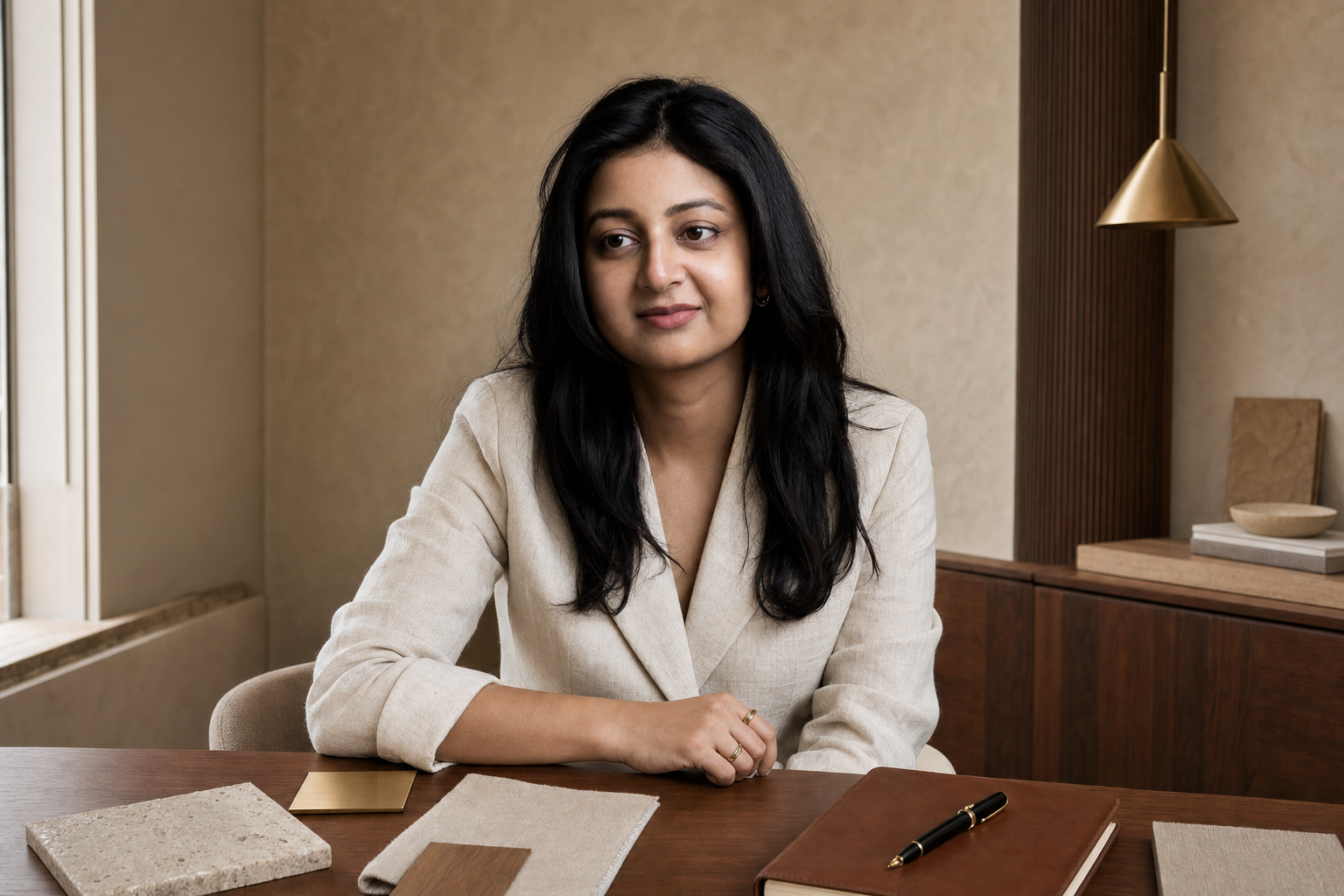
Subhra
Founder & Principal Designer
Subhra is the founder and principal designer of ZuriSpace, leading every project from first conversation to final reveal across the UAE and India.
Read Subhra's profile →