
Interior design trends in Dubai for 2026
Published 13 June 2026 · Updated 13 June 2026 · By Subhra
In short
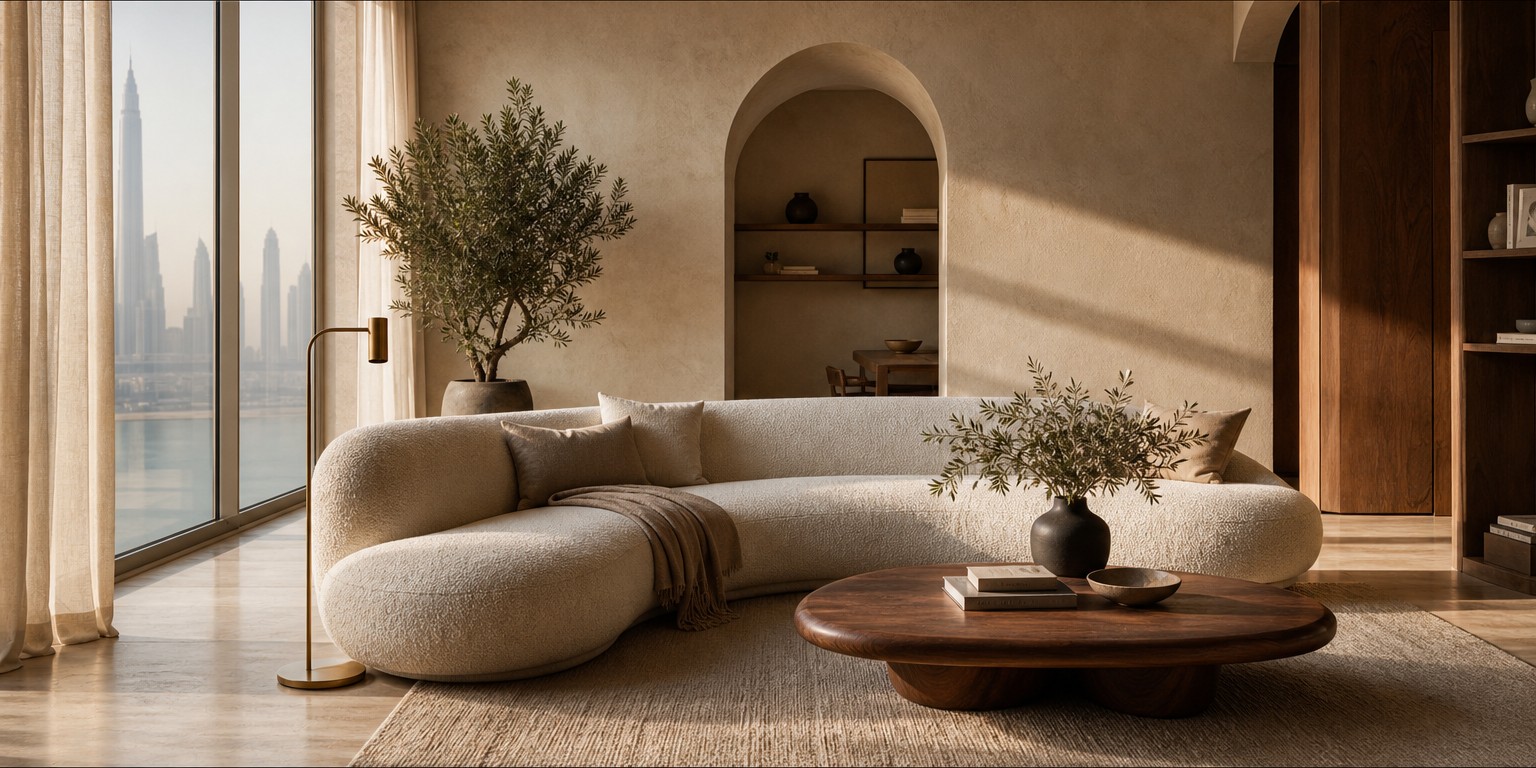
The defining interior design trend in Dubai for 2026 is warm minimalism replacing cold modernism: stark white-and-grey schemes are giving way to earthy palettes of bone, sand, taupe and terracotta, tactile natural materials, curved soft architecture, biophilic and quiet-luxury living, and smart technology hidden inside the walls. The shift is climate-driven as much as fashion-driven, since warm neutrals and durable materials simply read better in Gulf light, heat, humidity and dust. The trends worth your money are the structural, material-led ones; the Instagram-only finishes that fail in this climate are not.
The one shift behind every 2026 trend
If you read ten different trend lists for Dubai this year they all describe the same single movement from different angles: the end of cold, glossy, grey-and-white minimalism and the rise of warmth. After more than a decade of pristine show-apartment interiors, all chrome, high-gloss lacquer and clinical white, homeowners across Dubai, Abu Dhabi and Sharjah are pivoting hard toward texture, earthy colour and rooms that feel lived in rather than photographed. Everything below, warm minimalism, earthy palettes, biophilic materials, curves, quiet luxury, is a facet of that one shift. Understand the shift and you can tell a real trend from a passing finish.
Warm minimalism replaces cold modernism
Warm minimalism is the headline trend of 2026, and it is exactly what it sounds like: the clean lines and uncluttered discipline of minimalism, but built from materials with depth, warmth and tactility rather than cold white surfaces. Think bone and sand walls instead of stark white, oiled timber instead of high-gloss lacquer, matte and low-sheen finishes instead of mirror polish, and a few honest materials used well instead of ornament. It is the same restraint ZuriSpace has always worked in, our signature palette of bone, sand and walnut with one quiet thread of brass, so for us this is less a trend to chase than the direction the whole market has finally moved toward.
Earthy palettes and colour drenching
Cool greys and clinical whites are being replaced by creamy beiges, soft taupes, terracotta, olive, camel and deeper browns, colours that feel grounded and calm. A related move is colour drenching: painting walls, ceiling and trim in a single immersive tone, usually a muted earthy one, so a room reads as one quiet envelope rather than a white box with an accent wall. This matters more in Dubai than almost anywhere, because strong natural light intensifies cool tones and makes white-and-grey rooms feel harsh. Warm neutrals soften that light, hide dust between cleans, and age far more gracefully than the trend-of-the-year bold colours that look dated within two summers.
Biophilic design and materials that survive the Gulf
Biophilic design has moved well beyond a few potted plants into the architecture itself: natural stone, solid and oiled timber, limewash and hand-troweled plaster, linen and bouclé, indoor greenery and a genuine connection between inside and out. The point is wellness and calm, but in Dubai the deciding factor is durability. A linen sofa that photographs beautifully in a London magazine can show dust within a week in a Dubai apartment, and walnut next to south-facing glass will fade within two years. The biophilic look only works here when the materials are chosen for the climate, travertine and limestone, fumed oak, pre-oxidised brass, hard-wearing wools, so the warmth survives the heat, humidity and UV instead of falling apart.
Curved forms and soft architecture
Sharp right angles are giving way to softer, more organic shapes: arched doorways and niches, curved sofas and rounded furniture, sculptural lighting and gently radiused joinery. It is one of the easier trends to adopt and one of the most photogenic, which is exactly why it needs discipline. A single well-placed arch or a curved island reads as considered; curves on every wall, ceiling and cabinet read as a showroom. Used sparingly, soft architecture is one of the cheapest ways to make a hard, developer-standard apartment feel custom.
Japandi and quiet luxury
Two overlapping ideas are shaping the higher end of the market. Japandi, the fusion of Japanese restraint and Scandinavian warmth, brings fewer, better pieces and a calm material honesty. Quiet luxury redefines premium away from shine and logos toward comfort, craftsmanship and texture: layered lighting instead of a single bright source, matte over gloss, fluted wood, limewash and Venetian plaster, bespoke joinery that fits the room exactly. Both reject the gold-and-marble maximalism that defined Dubai's early 2010s. Luxury in 2026 is something you feel when you walk in and run your hand along a surface, not something that announces its price.
Modern Arabian, refused the obvious
Alongside the global trends, there is a confident return to a contemporary Arabian sensibility, but the best version of it has nothing to do with mashrabiya panels, gold leaf or marble rivers. The Arabian feeling lives in proportion and sequence, in deep shaded thresholds, in the procession from public to private rooms, and in the tactile honesty of stone, wood and textile. Done well it grounds a modern Dubai home in its place without a single visual cliché. Done badly it is a theme park. This is one of the clearest dividing lines in 2026 between design that lasts and decoration that dates.
Smart home, made invisible
Smart technology is now expected rather than novel, and the 2026 trend is to hide it completely. Homeowners want automated, voice-enabled climate and lighting, motorised blinds for heat management and seamless scenes, all concealed inside the building fabric with no visible boxes, keypads clutter or tangle of apps. In the Gulf the practical wins matter most: smart AC zoning, blinds that manage solar gain, and lighting that shifts warmth through the day. The luxury is that none of it is visible; the house simply behaves the way you want and looks like there is no technology in it at all.
What is actually worth your money in 2026 (and what isn't)
Trends are only useful once you separate the structural, lasting moves from the Instagram-only finishes. Worth the spend: a coherent warm palette, good natural and layered lighting, durable climate-appropriate materials, intelligent space planning, and bespoke joinery and storage, because these change how a home feels every day and how it performs at resale or on the rental market. Spend with caution: heavy textured feature walls in dusty rooms, delicate finishes near south-facing glass, ultra-trend bold colours, and anything high-gloss that shows every fingerprint in Dubai's hard light. The honest test is simple: will this still look considered in three years, and will it survive a Gulf summer? If the answer to either is no, it is decoration, not design.
How this looks in a real Dubai home
Put together, the 2026 picture is a calm, warm, tactile home that is built to last in the Gulf and quietly intelligent underneath. At ZuriSpace this is the work we were already doing in residential interior design, led personally by Subhra from first conversation to final reveal: a restrained palette of bone, sand and walnut, materials chosen for how they age in this climate, lighting and joinery designed in-house, and the build overseen on site through trusted contractors. The aim is never to chase the trend list but to use the genuinely good parts of it, the warmth, the texture, the restraint, to make a home that still feels right long after the year's trend articles are forgotten.
Quick answers.
The dominant trends are warm minimalism replacing cold modernism, earthy colour palettes and colour drenching, biophilic design with natural climate-appropriate materials, curved and soft architecture, Japandi and quiet luxury, a refined modern Arabian sensibility, and smart home technology concealed within the building fabric.
Cold, stark white-and-grey minimalism is fading, but minimalism itself is not. It has evolved into warm minimalism: the same clean, uncluttered discipline, but built from tactile materials, earthy tones and layered texture so the space feels warm and lived in rather than clinical.
Warm, earthy neutrals lead the year: bone, sand, taupe, beige, terracotta, olive, camel and deeper browns. These warm tones also read better than cool greys and whites under Dubai's strong natural light and hide everyday dust more gracefully between cleans.
The structural, material-led parts age well: a coherent warm palette, natural materials, good lighting and intelligent space planning tend to look considered for years. The finishes that date fastest are ultra-trend bold colours and delicate or high-gloss surfaces, especially ones that struggle in Dubai's heat, humidity and UV.
Travertine and limestone, fumed and oiled oak, pre-oxidised brass, full-grain leather, Belgian linen and hand-troweled lime plaster age beautifully in the Gulf. Walnut near south-facing glass, white marble in wet areas, engineered timber and high-gloss lacquer tend to fade, etch, warp or mark and should be specified with caution.
Not to copy a look, but a designer is what keeps trends from becoming expensive mistakes. The value is in choosing the lasting, climate-appropriate moves over the Instagram-only ones, allocating budget to what actually changes how a home feels and performs, and specifying materials that survive a Gulf summer rather than discovering the problem after installation.
- Modern Arabian design, refused the obviousThe contemporary Arabian sensibility behind the trend, without a single cliché.
- Choosing interior materials for Dubai's climateWhich warm, natural materials actually survive Gulf heat, humidity and UV.
- How to increase property value in DubaiWhy the design-led, lasting trends are also the ones that pay back.
- Residential interior design in DubaiHow ZuriSpace delivers warm contemporary homes, led personally by Subhra.
Written by
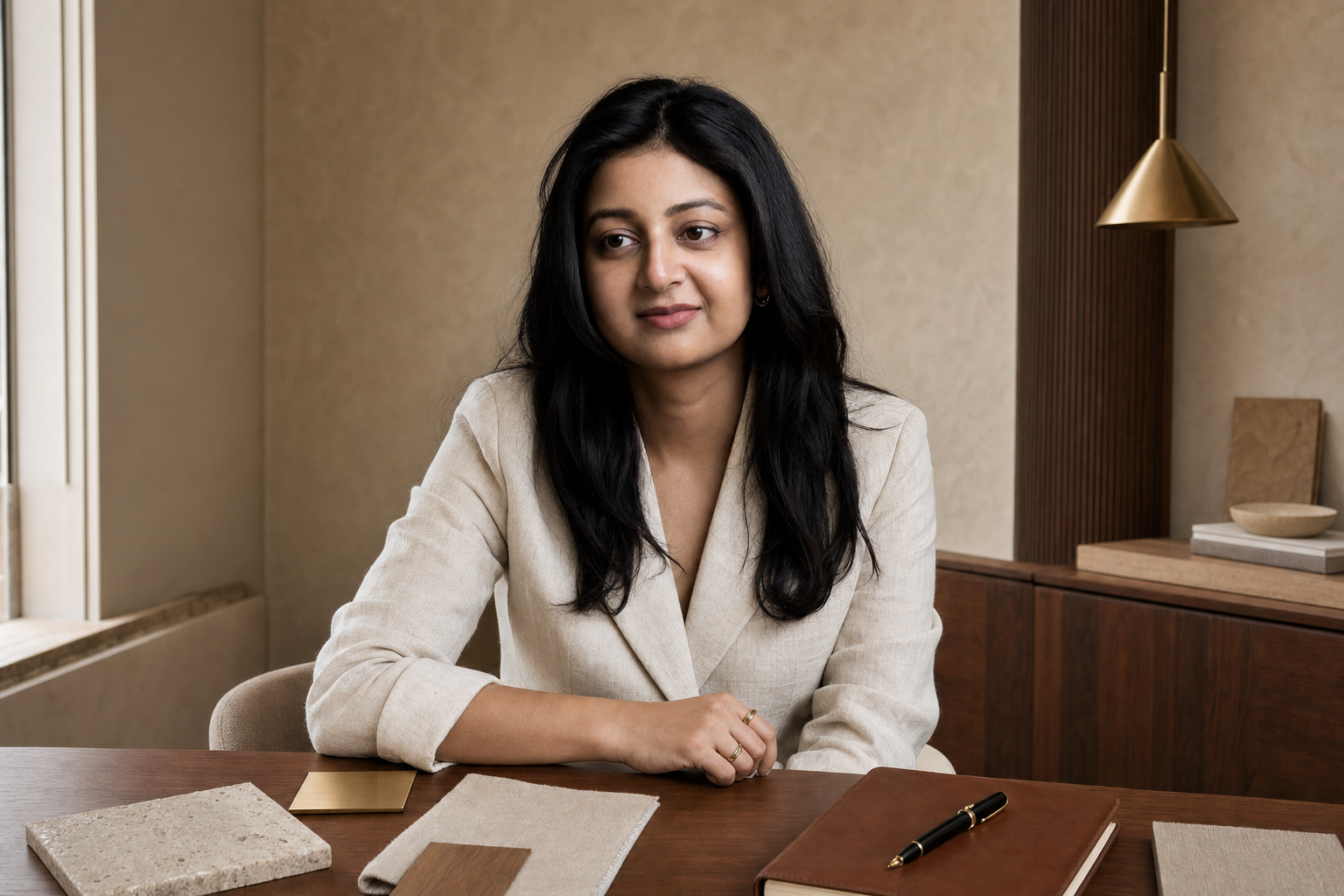
Subhra
Founder & Principal Designer
Subhra is the founder and principal designer of ZuriSpace, leading every project from first conversation to final reveal across the UAE and India.
Read Subhra's profile →Next from the blog